

What Is Credit?
Credit allows you to borrow money now and pay it back over time. Most people use credit every day — from credit cards to car loans to mortgages.
There are two main types of credit:
Revolving Credit
Examples include:
Credit cards
Retail store cards
Home equity lines of credit
You can borrow up to a certain limit, repay it, and use it again.
Installment Credit
Examples include:
Auto loans
Personal loans
Mortgages
These loans are borrowed once and repaid over a set period of time.
Here's why your credit score matters and how you can improve it.
Read More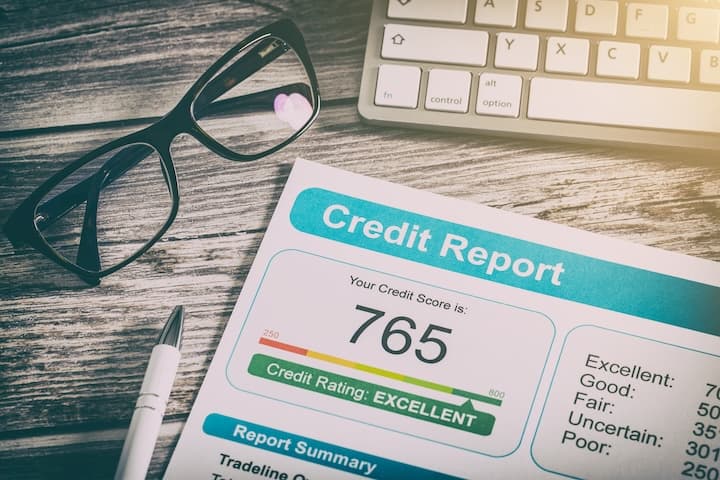
Why Credit Matters When Buying a Home
When you apply for a mortgage, lenders look at your credit history to help determine:
your loan eligibility
your interest rate
your monthly payment
how much you may qualify to borrow
Lenders may review factors like:
payment history
outstanding debt
employment stability
savings habits
length of credit history
A stronger credit profile may help you qualify for better loan options and lower rates.
What lenders consider when reviewing your mortgage application.
When evaluating a mortgage application, lenders often look at what's known as the 5 C's of Credit. These factors help paint a picture of your overall financial health and ability to repay a loan.
The 5 C's of Credit
Character
Character refers to your history of managing debt and making payments on time. Your credit report helps lenders understand how you've handled financial obligations in the past.
Capacity
Capacity is your ability to repay a loan based on your income and existing debts. Lenders review factors such as your employment history, monthly income, and debt-to-income ratio.
Capital
Capital refers to the money you've saved or invested. This may include funds available for a down payment, closing costs, emergency savings, or other financial assets.
Collateral
Collateral is the asset securing the loan—in this case, the home you're purchasing. Lenders consider the property's value when determining loan eligibility.
Conditions
Conditions include factors such as loan purpose, current market conditions, interest rates, and the overall economic environment that may impact lending decisions.
Why the 5 C's Matter
No single factor determines whether you'll qualify for a mortgage. Instead, lenders review your complete financial picture to better understand your ability to manage homeownership costs and repay the loan responsibly.
A little preparation goes a long way when you're financing a new home.
Read More
Tips for Building Healthy Credit
Pay On Time
Even one late payment can impact your credit. Making consistent, on-time payments is one of the best ways to build positive credit history.
Keep Balances Manageable
Try not to max out your credit cards. Using only a portion of your available credit may help improve your score.
Start Small
If you’re building credit for the first time, start with manageable purchases and pay balances in full whenever possible.
Build Savings Habits
Maintaining checking and savings accounts with regular activity can help demonstrate financial stability.
Check Your Credit Regularly
Review your credit reports at least once a year to monitor your progress and spot potential errors. You can request free annual reports through AnnualCreditReport.com.
How does comparing mortgage offers impact your credit score?
Credit bureaus expect buyers to compare mortgage options. When multiple mortgage credit checks are made within a 30-day window, they are grouped together and treated as a single inquiry for scoring purposes. Any impact is usually minimal, often less than a few points, and temporary. Since credit inquiries make up only about ten percent of your overall credit score, shopping rates is typically far more helpful than harmful.
3-5 points
Typical credit score impact
Temporary
Usually rebounds within 3 months or less
10%
Portion of your credit score tied to inquiries
Improving Your Credit
Life happens — and credit challenges can happen to anyone.
If you’re working to improve your credit:
communicate with creditors early
create a realistic budget
make consistent payments
avoid taking on unnecessary debt
Improving credit takes time, but positive habits can help strengthen your financial profile over time.
Have Questions About Your Credit?
Our mortgage team can help you better understand how your credit may impact your homebuying journey and what steps may help you prepare for a future mortgage appl
Where We Serve
Sibcy Cline REALTORS® provides mortgage and home financing across the communities we call home:
- OhioCincinnati, Dayton
- KentuckyNorthern Kentucky
- IndianaSoutheast Indiana
Who it's for: Home buyers and homeowners