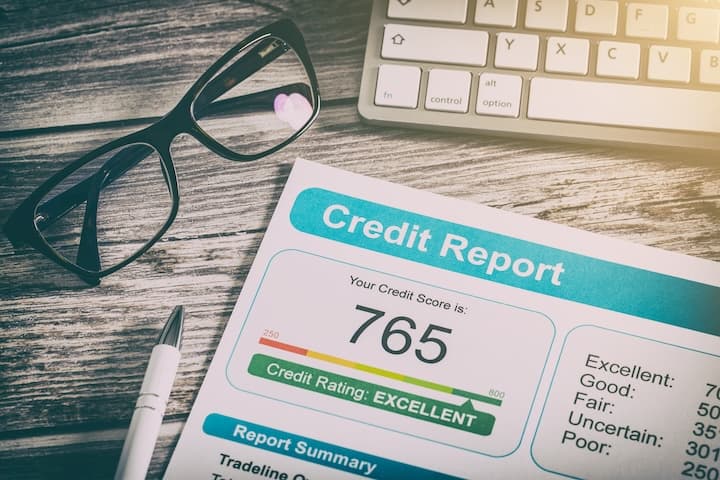
When you're preparing to buy a home, your credit score can be a deciding factor in securing a mortgage and getting favorable interest rates. Let’s break down why your credit score matters, how to check it, and what you can do to improve it before buying your dream home.
The Importance of a Good Credit Score
Your credit score plays a crucial role in the homebuying process. It's a number that represents your creditworthiness based on your credit history, which lenders use to assess the risk of lending you money. The higher your credit score, the better your chances of being approved for a mortgage with favorable terms. Here's why a good credit score matters:
Mortgage Approval
Lenders look at your credit score to determine whether you’re a reliable borrower. A good credit score indicates that you're likely to repay your loan on time.
Interest Rates
A higher credit score can help you qualify for lower interest rates, saving you thousands of dollars over the life of your mortgage.
Loan Options
Certain loan types, such as conventional loans, often require a higher credit score, while others like FHA loans might have more lenient requirements. A good credit score gives you access to more options.
How to Check Your Credit Score
Before you start house hunting, it’s essential to check your credit score to know where you stand. Checking your credit score regularly helps you stay informed and catch any potential errors that could negatively affect your score. Here are some ways to do it:
Credit Bureaus
You can get a free credit report once a year from each of the three major credit bureaus—Experian, Equifax, and TransUnion—through AnnualCreditReport.com. While the report doesn’t include your credit score, many of these services offer a score for a small fee.
Credit Card Providers
Many credit card companies offer free access to your credit score as a perk of being a customer. Check your credit card's online portal to see if this service is available.
Credit Monitoring Services
Services like Credit Karma, Credit Sesame, or even some banking apps provide free credit scores and credit monitoring.
Tips for Improving Your Credit Score Before Buying a Home
If your credit score isn’t where you want it to be, don’t worry. There are several steps you can take to improve it before applying for a mortgage. Here are some effective strategies:
Pay Bills on Time: Your payment history makes up 35% of your credit score. Late or missed payments can seriously hurt your score, so set up reminders or automatic payments to ensure all bills are paid on time.
Reduce Credit Card Balances: Credit utilization, or how much of your available credit you're using, is another important factor. Aim to keep your credit card balances below 30% of your total credit limit to positively impact your score.
Avoid New Credit Applications: Each time you apply for new credit, a hard inquiry is made on your credit report, which can temporarily lower your score. If you’re planning to buy a home soon, avoid applying for new credit cards or loans.
Dispute Errors: Check your credit reports for any inaccuracies, such as accounts you don’t recognize or late payments you know you made on time. Dispute any errors with the credit bureau to have them corrected and potentially raise your score.
Consider a Credit Builder Loan: If your credit history is limited, consider applying for a credit builder loan. These loans are specifically designed to help you build or improve your credit by making regular payments, which are reported to the credit bureaus.
Keep Old Accounts Open: The length of your credit history also affects your score. Even if you don’t use an old credit card frequently, keeping the account open can help improve your credit score by showing a long, stable credit history.
Understanding and managing your credit score is one of the first steps in the homebuying process. A good credit score can make the difference between securing a loan with an affordable rate or missing out on your dream home. By checking your score regularly and following strategies to improve it, you’ll be in a strong position when it’s time to apply for a mortgage. So, take control of your credit today and start your journey toward homeownership with confidence.
When it's time to buy, Sibcy Cline Mortgage offers competitive rates and quality service. Sibcy Cline's goal is to make the loan process a smooth one. Our automated underwriting system not only speeds up the process, but may save you money. Buyers can b...
Contact a Loan Officer